Beyond the Final Score: How Football Creates Belonging

As the World Cup captures attention around the world, football is filling screens, conversations and public spaces.
For some, it is about national pride. For others, it is about the drama of a last-minute goal or the simple joy of watching with friends.
But football can also do something quieter. It can help a new place feel less unfamiliar.
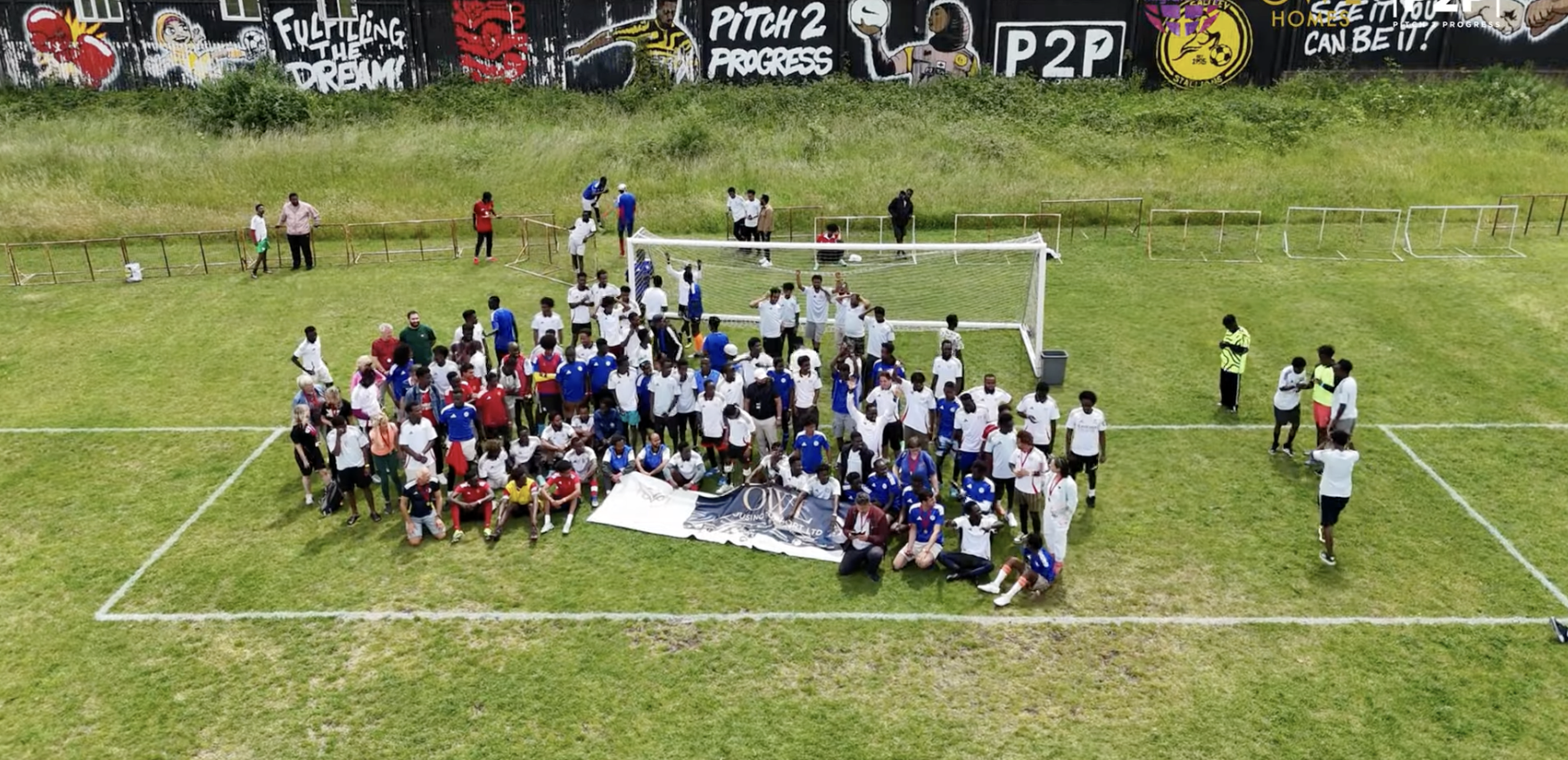
That’s the spirit behind the Beyond Borders World Cup in East Birmingham, hosted by Pitch 2 Progress with support from Migrant Help, Owl Housing and local partners.
The tournament brought together newly arrived refugees, people seeking asylum and migrant communities for a day of football, friendship and connection.
For anyone finding their feet in an unfamiliar place, the football pitch can offer something invaluable: instant community.
Football is a global language. You don’t need to explain everything before you can pass the ball. We can all cheer someone on, celebrate a goal or be frustrated at a referee’s decision.
On the pitch, people can meet first as players, teammates, competitors and supporters.
Many people who arrive in the UK seeking safety are also navigating unfamiliar systems, new streets, different languages and long periods of uncertainty. Isolation can grow quickly when you are waiting, when you are far from family, or when you do not yet know where you fit.
A shared game cannot solve all of that, but it can offer something real.
A reason to leave the room. A team to join. A conversation that starts without needing the perfect words. A moment of laughter. A reason to come back next week.
From the first whistle to the final celebrations, the Beyond Borders World Cup was full of those moments: encouragement from the sidelines, players from different backgrounds coming together, people meeting as neighbours rather than strangers.
There were goals, cheers and celebrations. But the day was about far more than the final score.
It was about reducing isolation. Building confidence. Creating new friendships. And reminding people that they are welcome here.
Across the wider World Cup, there are also players whose own lives have been shaped by displacement. Their stories are a reminder that football can carry more than competition. It can carry memory, resilience and possibility.
But you do not need to be playing on the world stage for football to matter.
Sometimes, the most important pitch is the one in your own community.
Watch the video highlights here

"Hold on to hope..."
Shehany arrived in the UK aged nine with her mother and brother, and spent 14 years in the asylum system unable to work or study.
Community support and volunteering helped her hold on to hope. Today, she’s a junior doctor in an emergency department and a trustee of Refugee Support Devon, using her experience to give hope back to other young people. Her story was aired on ITV West Country.
It's all Cricket!
The Afghan Refugee Women's Cricket Team played two T20 matches at Fenner's Ground in Cambridge on 27 June, part of their historic UK tour; player Shafiqa Khan says: 'We can represent Afghan women who live back home and be a voice for a million girls who are denied their basic rights.'
Celebrating how refugees shape communities
Derby marked Refugee Week 2026 by celebrating how refugee communities have shaped the city's history: the Derby Bosnia-Herzegovina Community Association, established by refugees in 1995, has grown into a thriving hub that now helps newly arriving refugees integrate, while the Ukrainian Community Association has served the city since 1947 and continues to promote culture and mutual support across generations.

One small act of hope
One of the things we love about the Hope Exchange is that it turns care into something practical.
Recently, a small act of hope helped a group of people staying at Wethersfield accommodation site spend a day by the sea.
With support given through the Hope Exchange, our partner Simmply Active was able to take residents from Colchester to Walton-on-the-Naze. They had lunch, a hot drink and a walk along the coastline.
For one Eritrean man, it was the first time he’d been outside the camp. He said:
“Today I feel calm and grateful to be here. I decided to come because I have never been outside the camp before, and I wanted to see something new. For me, hope is what keeps me going when life feels uncertain. It gives me strength to wake up each day.”
That’s what small acts of hope can do.
They can help to ease anxiety, offer connection and remind someone that they’re welcome here.
Thanks for reading,
Mandy
